Press "Enter" to skip to content

Posts published in “Operating”

Field Day Update June 1, 2015

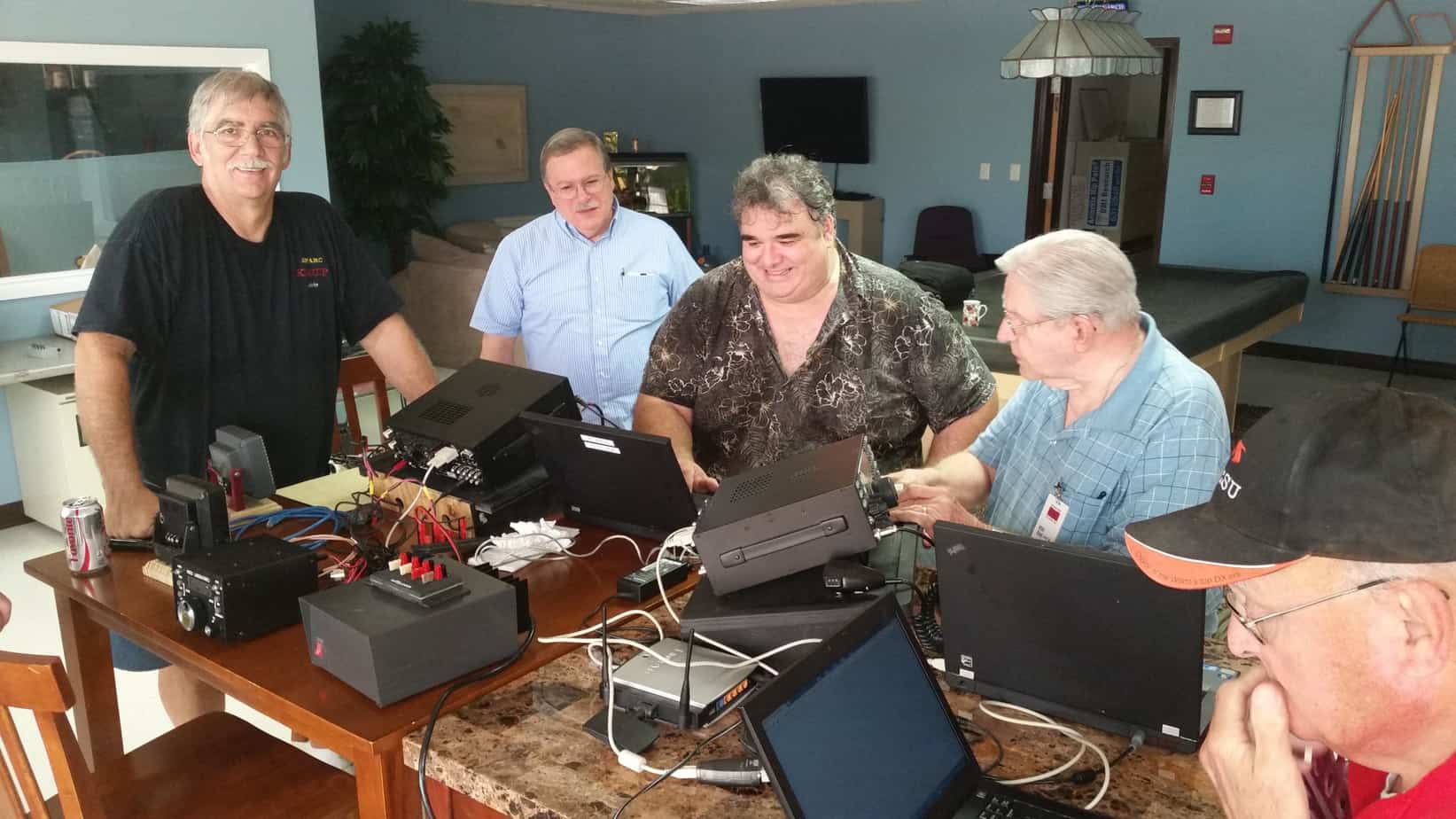
SPARC Field Day 2015

Field Day is an ARRL operating event where amateurs setup portable stations using temporary (non-fixed) antennas and radios. Field Day is a test to allow us to establish emergency communications. The contest part of Field Day helps train operators on handling a high volume of messages that would be required during an actual communications emergency. It is also a time to have fun, socialize and learn something new about amateur radio.

This year SPARC will conduct Field Day at the DMI Facility where SPARC normally holds its club meetings. We will use temporary antennas and operate from outside the regular station.

We will have 3 stations (class 3A). This means one dedicated CW station, one dedicated SSB station and one floating station (CW, SSB or Digital). We do this to try and keep all three stations busy depending upon what mix of operators we have. There will ALWAYS be at least one CW station and one SSB station.

We need volunteers. This can only happen with people to help setup, plan and bring things. You will be able to sign up at the club meeting (as well as early by emailing president@sparc-club.org) with the dish you want to share. This will be for lunch Saturday, dinner on Saturday night and even breakfast on Sunday morning.

We need people that want to help operate and setup. I cannot stress enough how you do not need experience. Field Day is a space to learn. We have plenty of people to help you operate and learn how to install a rig, computer or anything else associated with Field Day.

For those that want to get a head start on logging at Field Day, we will be using the contest program called TR4W. This is a Windows version of the TRLog software. The program has a very small learning curve and it particularly easy for those that may not be used to computer contest logging. You can download the software and try it for yourself. There is no charge for the software. You can find all the information about the program including documentation, and downloading at http://tr4w.net/


Please check back at https://www.sparc-club.org for more Field Day updates.
You can find current information about Field Day on the Field Day page. Please check back frequently for the latest information.

Related Images:

Noted DX’er and Ham Nation Host Visit SPARC

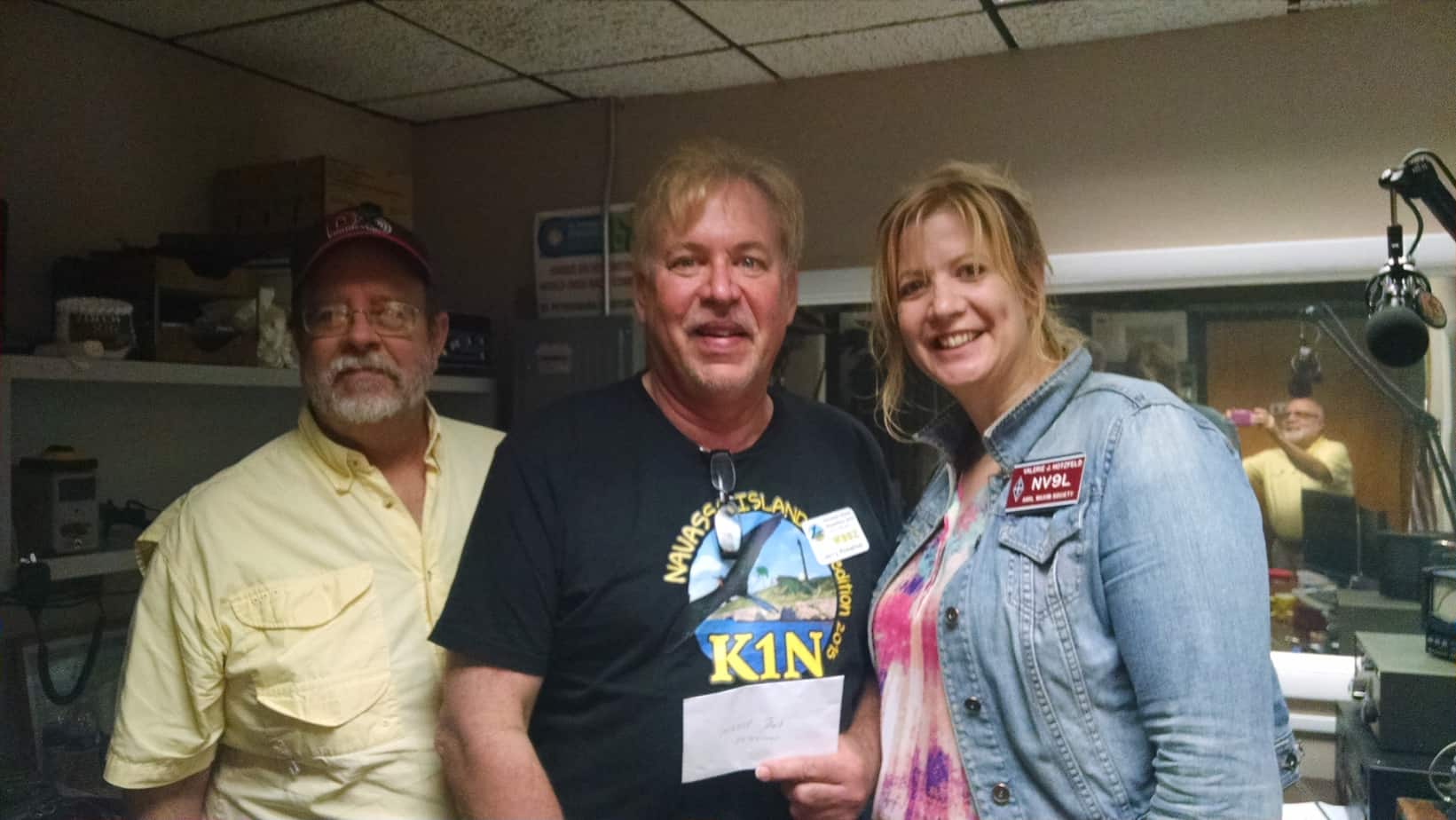
A few SPARC members has the pleasure of visiting with Jerry, WB9Z and Valerie NV9L over breakfast recently. Jerry has been on numerous DXpeditions, while his fiancée Valerie is a host on the ham radio webcast “Ham Nation.

N2ESP WB9Z NV9L at W4GAC
L to R: Bob, N2ESP; Jerry, WB9Z and Valerie, NV9L

After a filling breakfast, we took our visitors on a tour of W4GAC. There we presented Jerry with a donation from SPARC for the K1N Navassa DXpedition. Jerry was one of the many operators that put this rare entity on the air.

The SPARC Logo appears on the K1N Sponsors page as seen below.

K1N $100

Related Images:

Field Day 2015

2015 ARRL Field Day Logo Field Day

The 2015 ARRL Field Day weekend is June 27-28, 2015.

“But, Tom, I’m a new ham and I have never heard of Field Day. What’s that?” I am so glad you asked. Field Day is an amateur radio exercise where we setup temporary antennas in a portable operation to test our ability to create functioning amateur radio stations without using established communication equipment (fixed antennas, stations, etc). This event combines an emergency preparedness exercise with a contest and a fun club outing to spend the weekend hamming.

Yes, it is still March but Field Day is only 16 weeks away.

I have been appointed the Field Day Chair for SPARC this year. First, I offer a heartfelt thanks to Dave Trewin, KR4U for chairing the effort for the club for the past 8 years. Second, as you may know, SPARC normally has its Field Day on the Bay Pines VA Campus. This year it was decided to use the club facility at DMI for Field Day. However, this will STILL be a Club portable effort (Class A). To accomplish this, we will not be using any existing stations or antennas. We will be operating with portable antennas, emergency power and NOT from the regular shack. The level of the effort however is entirely up to you, the membership.

The only way we can get any kind of serious Field Day event is to have the help of more people than we normally have. Not to put too fine a point on it, but we have to have more people than the steady core group in SPARC. That being said, I believe Field Day is a great experience for all to learn how to operate HF, VHF, Satellites, etc in less-than-optimal conditions with portable antennas. Think of what you would have to do if a real hurricane knocked out power for 2 weeks to the area. We want new hams to come out and learn to operate. Maybe you are new to HF, or want to learn more about contesting. If you have not been to a Field Day before, you owe it to yourself to do it this year.

My approach for organizing this is to appoint “Captains”. This concept is taken from DXPeditions in that the “captain” is the lead person to assemble a team of volunteers to help with their particular area. You do not need to be an absolute expert in your area. You just need to know what questions you need to ask, be willing to learn and most importantly, be able to manage a set of tasks to ensure everything is accomplished. Flexibility is encouraged to allow you to contact the folks working in your area as well as report any challenges or issues to the Field Day Chair. In this light, I need to appoint the following captains:

  • Radio Captain
  • Antenna Captain
  • Power Captain
  • Computers Captain
  • Bonus Points Captain
  • Health and Welfare Captain
  • Food Captain

The following is a brief description of each of these:

The Radio Captain is responsible for securing equipment for the club to operate during Field Day. This includes club equipment as well as whatever else is necessary depending upon the number of stations we will be using. You are expected to enlist a team and manage those tasks to ensure the radios are setup at Field Day. Your team is also responsible if there are any issues during the event—such as replacing fuses, or swapping out a bad radio (you need spares).

The Antenna Captain is responsible for obtaining a team to procure, assemble and install the antennas at the site. You and your team will work with the radio team to ensure the proper bands are available, minimize station interference, and in conjunction with the Health and Welfare team, ensure antennas are erected in a safe manner.

The Power Captain leads the team to secure generators, setup them up, bring gasoline to the site, and keep the power running during the whole 24 hours of Field Day.

The Computers Captain leads the team to install temporary computers for logging and station control. Your team will work with the Radio team to ensure the computers are interfaced to the radios. Your team will ensure the computers are available for the whole Field Day session. You also ensure the final logs are saved and made available to the Field Day chair to allow the final Field Day Submission as well as uploading to LOTW. If any problems arise with the computers during Field Day, someone will call for the Computers captain and your team springs to action to fix the issue.

The Bonus Points Captain leads a team for anything that involves Bonus points as defined by the Field Day rules. This includes publicity, NTS messages, Satellite station, VHF station, the W1AW message and the GOTA station. As with the others, you are NOT expected to do this by yourself. The activities in the Bonus Points team cover many disciplines. For example, it is your job to make sure we have someone to man the satellite station and make contacts. You are not expected to be the one doing the actual contacts. Of course, you are free to do anything you can, but you MUST recruit a team.

The Health and Welfare Captain leads a team to ensure the safety and well-being of all Field Day participants. In this very important role, you have to ensure that all activities are done with safety in mind. Antenna raising during Field Day can be dangerous if done improperly. If you or your team see extension cords or antenna supports in a dangerous place that could cause people to trip, you will work with the appropriate power or antenna team to ensure the site is safe. You also need to make sure someone is watching the members while working outside to ensure folks are getting enough water. You will also ensure we have first aid kits on site in case needed.

The Food Captain leads a team to ensure the Field Day crew is well-fed and watered. This includes ensuring the club coolers are filled with ice and drinks. It also means deciding what the club will do for the Saturday lunch and dinner. Int he past this has been sandwiches and Sonny’s BBQ, but maybe you want to have a potluck and fire up the grill. The direction we go is entirely up to you and your team.

These items are not set in stone. Certainly we may find some activity is better suited in another team. Working together, we will all ensure a safe and fun Field Day for the club while at the same time, not placing any undue burden upon any single member. As we do not have 500 people in our club, you may also have some team members that are also on other teams. Maybe one of the radio team is also a satellite operator. That is fine. As long as you can ensure the task is delegated and follow up on its complete and then report back to the Field Day chair if more intra-team coordinator is required.

As I mentioned earlier, the level of effort for our Field Day effort this year is in direct proportion to the amount of interest we have members helping out in whatever roles they can. Without a decent response, our Field Day effort could be a single CW transmitter connected to a single vertical antenna with a cable strung into the main meeting space of the DMI. This will be as big or small an effort as the members want.

Please consider if you would like to be a Team Captain. Each one of these can seem like a big task, but by enlisting a team and following up with your members, we ensure all the items are completed without overwhelming any one person. I would like to have a meeting of all the prospective captains by the end of March (one evening at DMI or by phone). With everyone’s collective effort, this can be a fun event filed with new challenges as it is from a new location.

Please contact Tom NY4I at 727-437-2771 or via email as soon as possible with your interest in any roles.

Related Images:

Free DXer Handbook Available

The second edition of Bryce, K7UA’s The New DXer’s Handbook is now available for download at no cost.

Click here to download.

Related Images:

2015 ARRL RTTY Roundup Result

Ron KP2N reports that the club station exceeded the last few year’s score in this past weekend’s ARRL RTTY Roundup at the W4GAC station. Using the contest callsign W4TA, several RTTY operators activated the club station to compete in this RTTY favorite. Results from this year and a few years past are:

CALL CONTACTS MULTS SCORE YEAR

Year     QSOs     Multipliers        Score

2015      1002             115           115,230

2013        939             109           102,351

2012        899              118           106,082

2011       1028            106           108,968

Thanks to all the operators that came down and helped out.


If you want to contest, lookup out for more announcements on upcoming contests to run from the club station.

Related Images:

WP2Social Auto Publish Powered By : XYZScripts.com